Ranch Rail Fence Installation for Houston Properties: What to Know Before Getting an Estimate
Ranch rail fence installation helps Houston-area property owners define large spaces, improve curb appeal, and create a more open fence line without blocking the view.
This fence style works well for acreage homes, ranch-style properties, horse properties, rural neighborhoods, large corner lots, and communities that want a clean country look. It can also be customized with wire backing, driveway gates, walk gates, and different post and rail designs.
Before requesting an estimate, it helps to understand how the property, fence materials, gates, and intended use will affect the final design.
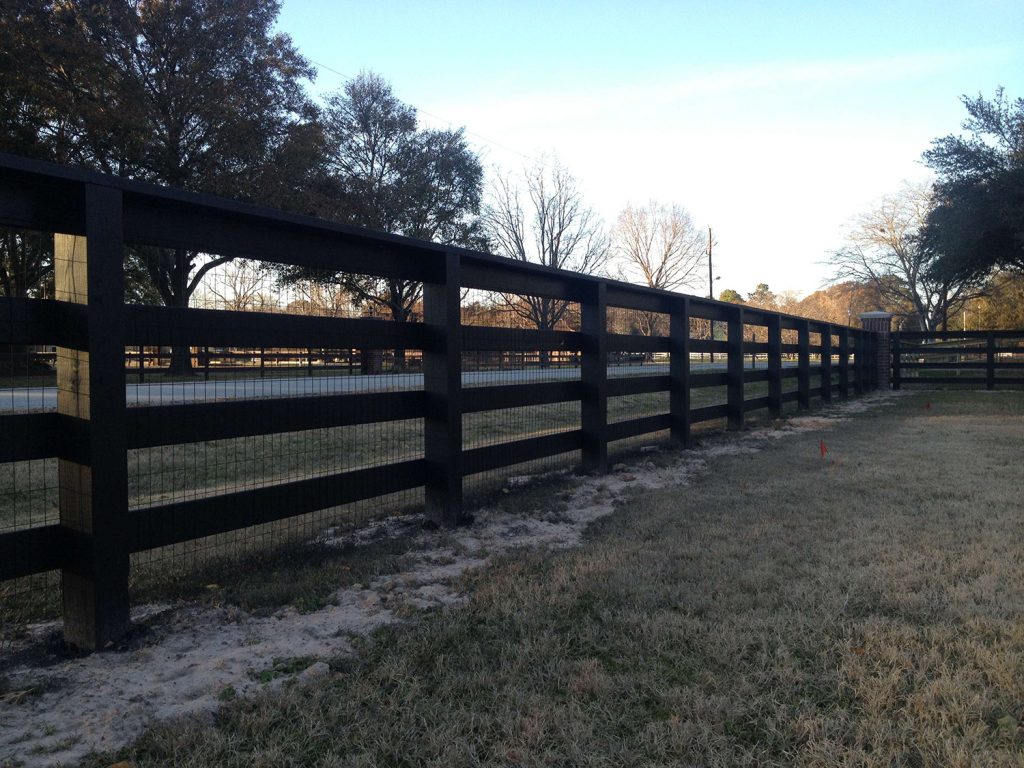
What Is a Ranch Rail Fence?
A ranch rail fence uses horizontal rails installed between evenly spaced posts. Most designs use two, three, or four rails, depending on the height and purpose of the fence.
The open design creates a clear property boundary while keeping the land visible. This makes ranch rail fencing a popular choice for larger properties where a solid privacy fence may feel too closed in.
Ranch rail fencing can be built with wood, vinyl, metal, or a mix of materials. Wood is often selected for its natural look. Vinyl may appeal to owners who want a more uniform finish with less staining or painting. Metal elements can also be added for strength, gates, and custom details.
The right choice depends on how the fence will be used.
Start With the Main Purpose of the Fence
A fence contractor should know what you need the fence to do before recommending the layout or materials.
Some property owners mainly want to mark the property line. Others need the fence to help contain dogs, horses, livestock, or children. A ranch rail fence may also be used along a driveway, around a front pasture, beside a private road, or around a neighborhood entrance.
Ask yourself these questions before the estimate:
- Is the fence mainly decorative?
- Does it need to contain pets?
- Will livestock be kept inside the fence?
- Does the property need driveway gates?
- Will lawn equipment or trailers need access?
- Are there HOA design rules?
- Are there drainage areas or uneven sections of land?
These answers help the contractor determine rail spacing, fence height, post placement, gate width, and the need for wire backing.
Decide if You Need Wire Backing
Traditional ranch rail fencing has open space between the rails. That may work well for marking land or creating a decorative boundary, but it may not contain smaller animals.
Wire backing can be attached to the fence when added security or containment is needed. Common options include welded wire, woven wire, or other wire mesh products selected for the property’s use.
For example, a property owner with dogs may need tighter wire openings near the bottom of the fence. A horse property may need a different wire and rail setup. A decorative front fence may not need wire at all.
Wire backing should look like part of the original design. It should be installed evenly, attached securely, and selected with the size of the animals in mind.
This is one reason a site visit matters. A contractor needs to see the property and understand the fence’s purpose before recommending the right system.
Think About the Number of Rails
The number of horizontal rails affects the appearance, height, strength, and cost of the fence.
A two-rail fence offers a simple, open look. It may be used along long driveways, open front yards, and decorative property lines.
A three-rail fence has a fuller appearance and may provide a better visual boundary. It is a common choice for ranch-style homes and larger residential properties.
A four-rail design creates a taller, more substantial fence. It may be better suited for certain animals, busy roadways, or properties where the owner wants the fence to have a stronger presence.
More rails require more material and labor. However, the least expensive design may not be the best choice if it fails to meet the property’s needs.
Function should lead the decision.
Plan the Gates Before Installation Begins
Gates are one of the most important parts of a ranch rail fence project.
A gate that is too narrow can create daily problems. Trucks, trailers, tractors, lawn crews, utility vehicles, and emergency equipment may need access to the property.
The contractor should discuss:
- Driveway gate width
- Walk gate locations
- Double gate options
- Manual or automatic operation
- Gate post strength
- Ground clearance
- Latch and hardware choices
- Access controls and gate operators
Automatic driveway gates may include remotes, keypads, vehicle sensors, telephone entry systems, or smart access controls. The gate design should match the ranch rail fence while providing the level of security the property owner needs.
Gate locations should also account for slopes, drainage, road setbacks, and the room needed for a vehicle to wait safely.
Moving a gate after the fence is built can be costly. It is better to solve these details during the planning stage.
Property Conditions Affect Ranch Rail Fence Installation
Long, flat fence lines are usually easier to plan than fence lines that cross slopes, wooded areas, drainage paths, or uneven ground.
Houston-area properties may also have wet soil, soft ground, tree roots, buried utilities, irrigation lines, and areas that hold water after heavy rain. These conditions can affect post depth, spacing, equipment access, and installation time.
A fence contractor should walk the proposed fence line and identify possible problems before work begins.
The estimate may need to account for:
- Brush or old fence removal
- Tree roots and large landscaping
- Slopes or sudden grade changes
- Drainage channels
- Retaining walls
- Concrete or hard surfaces
- Limited equipment access
- Buried utility locations
- Existing gates or structures
An estimate based only on a rough phone description may miss important details.
Pictures and measurements are helpful, but an onsite review gives the contractor a better understanding of the land.
What Affects the Cost of a Ranch Rail Fence?
The total cost is based on much more than the price of the rails.
The length of the fence is a major factor, but the design, materials, gates, site conditions, and removal work also matter.
Common cost factors include:
- Total linear footage
- Wood, vinyl, or metal materials
- Number of rails
- Post size and spacing
- Wire backing
- Number and size of gates
- Automatic gate equipment
- Old fence removal
- Land clearing
- Terrain and soil conditions
- Staining or finishing
- Custom design features
A long fence with a basic two-rail design may cost less per foot than a shorter fence with wire backing, several gates, and difficult terrain.
Property owners should request an estimate based on the complete project, not just a general price per foot.
The lowest bid may leave out important work, use lighter materials, or include gates and hardware that are not suited for daily use.
Review HOA and Property Requirements
Some Houston-area neighborhoods and acreage communities have rules about fence height, materials, colors, placement, and approved styles.
Property owners may need to submit plans to an architectural review committee before installation. Corner lots, front-yard fences, and fences near streets may have added restrictions.
It is also important to confirm the property line. An old fence does not always sit directly on the legal boundary.
A survey can help prevent disputes with neighbors and reduce the risk of installing a fence in the wrong location.
The owner should also identify easements and access areas that must remain available for utility companies or drainage work.
Compare Fence Contractors Based on the Full Project
Ranch rail fencing often covers a large area. Small installation problems can become much more noticeable across a long fence line.
When comparing fence companies, ask about:
- Experience with ranch rail fences
- Material and post recommendations
- Wire backing options
- Gate construction
- Installation crews
- Project communication
- Cleanup
- Workmanship coverage
- Recent examples of similar projects
A professional estimate should explain what is included. It should list the fence style, materials, approximate footage, gates, removal work, and major project details.
Texas Fence has provided custom residential fencing, commercial fencing, and driveway gate construction in the Houston area since 2003. The company works with several materials and builds fences around the needs of each property.
Prepare for Your Ranch Rail Fence Estimate
You can help the estimate process by gathering a few details before the appointment.
Have a copy of the property survey available when possible. Mark the general fence line and make a list of the gates you expect to need.
You should also think about animals, vehicles, equipment access, future construction, and any plans for an automatic driveway gate.
The contractor can then help turn those needs into a practical fence design.
A well-planned ranch rail fence should look like it belongs on the property. The rails should follow the land cleanly, the gates should work smoothly, and the materials should support the way the property is used.
Request a Ranch Rail Fence Estimate From Texas Fence
Texas Fence installs custom fences and gates for residential and commercial properties throughout Houston and surrounding communities. Property owners can request an estimate to discuss the fence line, materials, gates, wire backing, and site conditions before choosing a final design.
Your ranch rail fence will be part of the property for years, so why settle for a design that was not built around the way you use your land?