Automatic Driveway Gate Visitor Access: Where Should the Car Wait?
Automatic driveway gate visitor access works best when a driver can stop, identify themselves, and reach the entry control without blocking traffic or putting the car in the gate’s path. The keypad or intercom matters, but its position matters just as much. We look at the drive, the street, the gate’s movement, and the people who use the entrance before choosing a control location.
Think about a first-time visitor in the rain. They turn into the drive, search for the keypad, stop too far forward, then back up to reach it. A second car waits behind them near the street. The gate itself may work perfectly. The arrival does not.
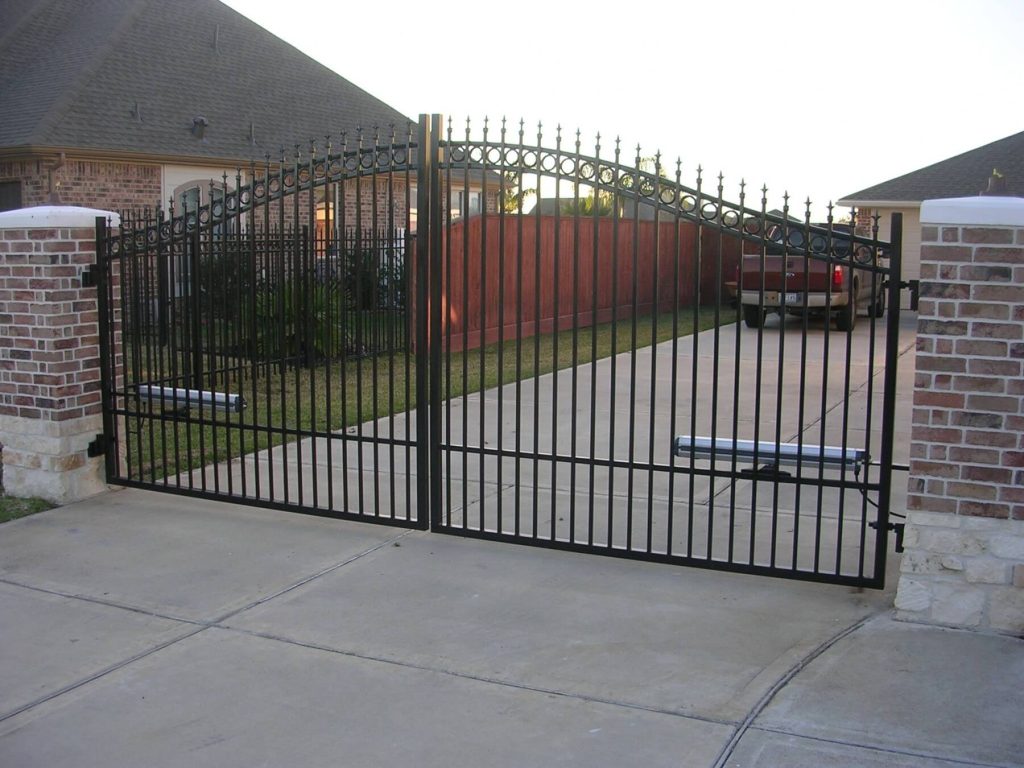
Follow Visitor Access From the Street
Start outside the property and approach the entrance as someone who has never used it. Is the address visible? Is the turn into the drive clear? Where can a car wait while the driver uses a keypad or calls through an intercom? If the street is busy or the driveway is short, queue space deserves attention before equipment is selected.
Stand at the proposed control location. Can a visitor access it from the window without leaving the car? Does a tall vehicle sit differently from a small sedan? A box truck may need a different path from a resident’s car. No single mounting point is ideal for every vehicle, so identify the regular users and the occasional ones.
Texas Fence designs driveway gates around width, slope, obstructions, and the connection to the fence. The gate layout and the control layout belong in the same discussion. If they are planned separately, the finished entrance may be awkward to use.
Keep the Waiting Car Clear of the Moving Gate
A swing gate needs its opening area. A slide gate needs space along the fence line. The vehicle waiting for permission needs a place that does not conflict with either movement. We look at how far the gate travels, where a driver naturally stops, and whether another vehicle can pass or wait.
Safety devices and the operator must suit the selected system and its installation requirements. They do not replace a sensible traffic layout. A car stopped in the wrong place can interrupt operation or leave its driver struggling to reposition. A visitor might also try to follow closely behind another vehicle if the entry process is confusing.
Walk the exit route too. Some properties use a sensor, button, remote, or another release method to leave. Make sure a departing driver understands where to stop and what to expect. Entrance and exit should not be treated as identical if the driveway shape or traffic flow differs for visitor access.
Decide Who Gets In and How
A family may use remotes or phone access while visitors use an intercom. A business may issue individual codes to employees and time-limited entry for vendors. An HOA may need a process for residents, guests, delivery drivers, and property staff. The right visitor access setup comes from the actual user list.
Our access control systems can include keypads, card readers, telephone entry, intercoms, remote access, and other options. Ask who will create and remove credentials, who responds to visitor calls, and what happens when that person is unavailable. An entry system that depends on a single phone can become a daily nuisance if nobody answers it.
Avoid sharing one permanent code with every vendor if you need to know or change who has access. Discuss the features supported by the specific system you select. A list of possible features on a service page is not a substitute for confirming what will be installed at your gate.
Plan for Deliveries, Guests, and Emergencies
Packages can arrive when nobody is home. A contractor may come in a truck too large to turn inside the drive. Guests may arrive in a group. Each case puts pressure on the entrance. Decide whether the gate should serve every visitor, whether there is a pedestrian entry, and where a driver can turn around if access is denied.
Also discuss power loss and a failed operator. The available backup or manual release depends on the equipment selected and the site. The owner or manager should know how the gate will be handled, who may operate it, and whom to call for service. These details belong in the handoff, not in a frantic search during the first outage.
If the property has a pool, shared drive, commercial entry, or other special use, additional requirements may apply. We should check those during design rather than assume a residential setup fits every entrance.
Test the Entrance With Real Users
After installation, try the approach from the street with a regular car and the other vehicles that commonly use the property. Can drivers see and reach the control? Is there enough room to wait? Do invited guests know what to do? Does the gate complete its movement before a driver advances?
The final walk should include the property owner or manager who will maintain the user list. Practice adding and removing access, if that is part of the selected system. Test the planned exit method and review the backup or manual procedure. A gate is not fully handed over until the people responsible can use it.
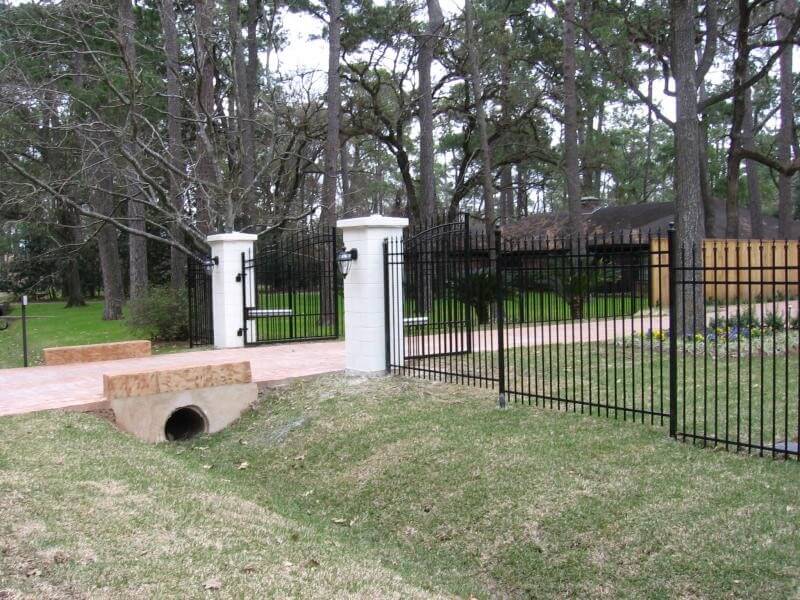
Show Us the Awkward Arrival For Visitor Access
Bring a photo or short video of the driveway at a busy time. Tell us who arrives, what they drive, where cars currently wait, and what bothers you about the existing gate or open drive. We can review the entrance, gate style, and control options together.
Texas Fence builds gates and installs access control in the Houston area. Contact us or call (281) 807-7900 to plan a visitor entry that makes sense from the street all the way through the gate.